


As a supplier of pp woven bags, I've encountered numerous inquiries about the puncture resistance of these versatile products. Puncture resistance is a critical factor that determines the durability and suitability of pp woven bags for various applications. In this blog post, I'll delve into what puncture resistance means for pp woven bags, the factors that influence it, and how it impacts their performance in different scenarios.
Understanding Puncture Resistance
Puncture resistance refers to a material's ability to withstand the force of a sharp object piercing through it without tearing or breaking. In the context of pp woven bags, it's a measure of how well the bag can resist damage from pointed or sharp items during handling, storage, and transportation. This property is especially important when the bags are used to carry products with irregular shapes, sharp edges, or protrusions, such as hardware, agricultural produce, or industrial components.
Factors Affecting Puncture Resistance
Several factors contribute to the puncture resistance of pp woven bags. Understanding these factors can help you make informed decisions when choosing the right bag for your specific needs.
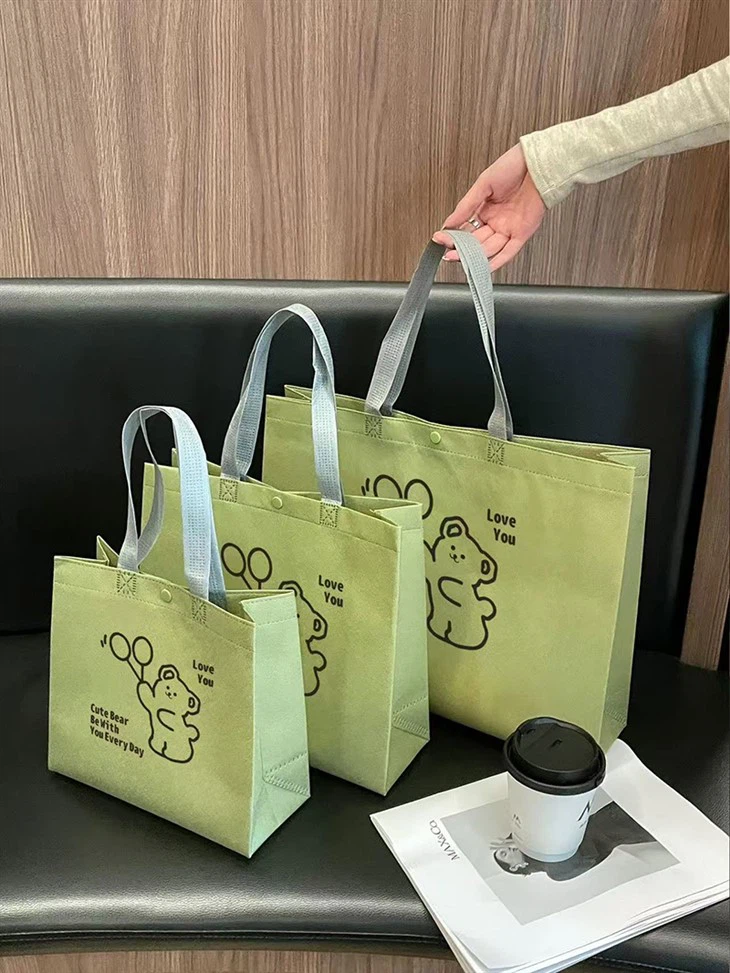
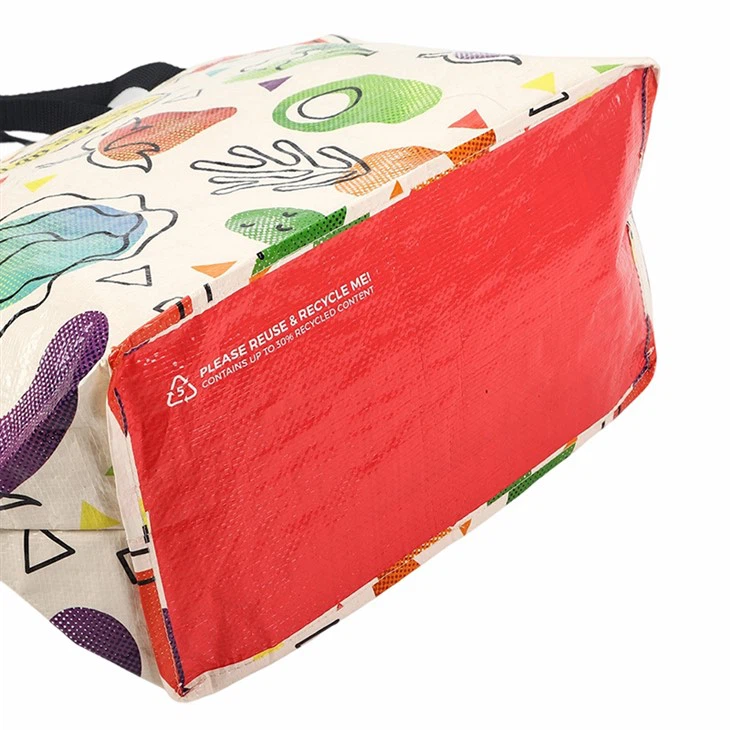
Material Quality
The quality of the polypropylene (PP) resin used in the manufacturing process plays a significant role in determining the puncture resistance of the bags. High-quality PP resins with superior mechanical properties, such as high tensile strength and elongation at break, can produce bags that are more resistant to punctures. Additionally, the use of additives and stabilizers can enhance the bag's performance and durability.
Weave Density
The weave density of the pp woven fabric, which is measured in terms of the number of warp and weft yarns per unit area, also affects its puncture resistance. Bags with a higher weave density generally have better puncture resistance because they have more yarns to distribute the force of a puncturing object. However, increasing the weave density also increases the weight and cost of the bag, so a balance needs to be struck between puncture resistance and other factors such as cost and weight.
Thickness
The thickness of the pp woven fabric is another important factor that influences its puncture resistance. Thicker fabrics are generally more resistant to punctures because they have more material to absorb the force of a puncturing object. However, thicker fabrics also tend to be heavier and more expensive, so the thickness of the bag needs to be carefully considered based on the specific application and requirements.
Coating and Lamination
Applying a coating or lamination to the pp woven fabric can significantly improve its puncture resistance. Coatings and laminations can provide an additional layer of protection against punctures and abrasions, as well as enhance the bag's moisture resistance and chemical resistance. Common coatings and laminations used for pp woven bags include polyethylene (PE) coatings, polypropylene (PP) laminations, and aluminum foil laminations.
Testing Puncture Resistance
To ensure that pp woven bags meet the required puncture resistance standards, various testing methods are available. One of the most commonly used methods is the puncture test, which involves applying a force to a sharp object and measuring the amount of force required to puncture the bag. The puncture test can be performed using a variety of equipment, such as a puncture tester or a universal testing machine.
Another method for testing the puncture resistance of pp woven bags is the drop test, which involves dropping a weighted object onto the bag from a specified height and observing the damage caused. The drop test can simulate the impact of a sharp object during handling and transportation and provide valuable information about the bag's ability to withstand such impacts.
Applications and Benefits
Pp woven bags with high puncture resistance are suitable for a wide range of applications, including:
- Agriculture: Pp woven bags are commonly used in the agricultural industry to store and transport crops, fertilizers, and other agricultural products. Bags with high puncture resistance can protect the contents from damage during handling and transportation, ensuring that the products arrive at their destination in good condition.
- Industrial: In the industrial sector, pp woven bags are used to package and transport a variety of products, such as chemicals, minerals, and construction materials. Bags with high puncture resistance can prevent the contents from leaking or spilling, reducing the risk of environmental contamination and workplace accidents.
- Retail: Pp woven bags are also popular in the retail industry for packaging and carrying various products, such as clothing, groceries, and household items. Bags with high puncture resistance can provide a durable and reliable packaging solution, ensuring that the products are protected during transit and storage.
The benefits of using pp woven bags with high puncture resistance include:
- Durability: Bags with high puncture resistance are more durable and can withstand the rigors of handling, storage, and transportation. This reduces the risk of damage to the contents and ensures that the bags can be reused multiple times, making them a cost-effective packaging solution.
- Protection: High puncture resistance bags provide better protection for the contents, reducing the risk of damage from sharp objects, abrasions, and other hazards. This is especially important for products that are sensitive to damage, such as electronics, glassware, and fragile items.
- Versatility: Pp woven bags with high puncture resistance can be used in a wide range of applications, making them a versatile packaging solution. They can be customized to meet the specific needs of different industries and applications, such as different sizes, shapes, colors, and printing options.
Conclusion
In conclusion, the puncture resistance of pp woven bags is a critical factor that determines their durability and suitability for various applications. By understanding the factors that affect puncture resistance and choosing the right bag based on the specific application and requirements, you can ensure that your products are protected during handling, storage, and transportation. As a supplier of pp woven bags, I'm committed to providing high-quality products that meet the highest standards of puncture resistance and other performance criteria. If you're interested in learning more about our Laminated Pp Woven Bag, Pp Non Woven Shopping Bag, or Pp Non Woven Carry Bag, please feel free to contact us for more information and to discuss your specific needs. We look forward to working with you to provide the best packaging solutions for your business.
References
- ASTM International. (20XX). Standard Test Method for Puncture Resistance of Plastic Film and Sheeting. ASTM D5748 - XX.
- ISO. (20XX). Plastics - Film and sheeting - Determination of puncture resistance. ISO XX:XXXX.


