


Hey there! I'm a supplier of Laminated Pp Woven Bags, and I often get asked about the environmental impact of producing these bags. So, I thought I'd take a deep - dive into this topic and share what I've learned.
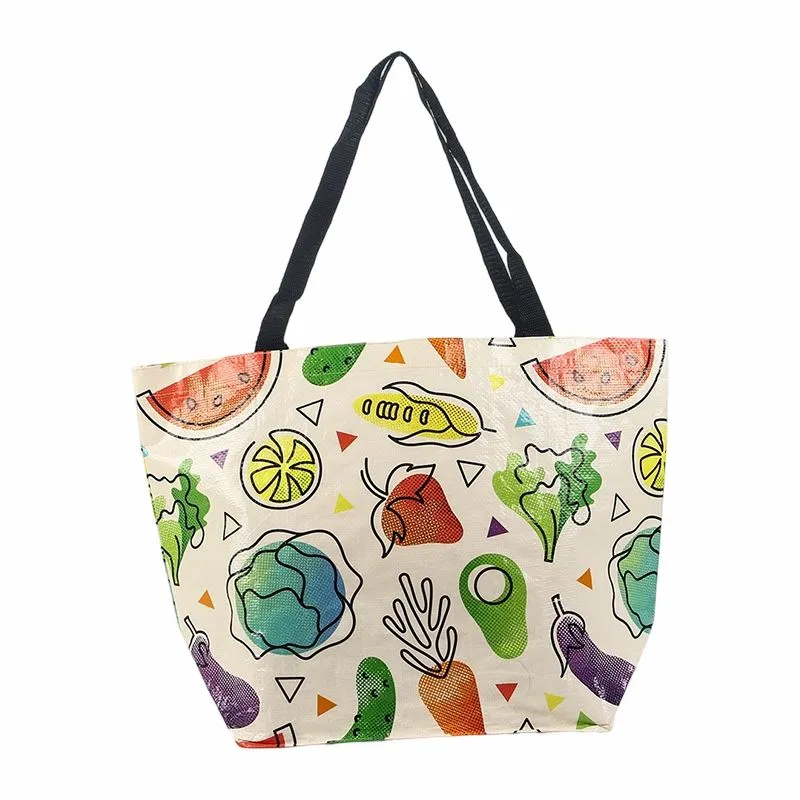
Let's start with what Laminated Pp Woven Bags are. These bags are made from polypropylene (PP), a thermoplastic polymer. The weaving process gives the bags strength, and the lamination adds an extra layer of protection, making them suitable for a wide range of applications, from packaging agricultural products to carrying consumer goods.
Raw Material Extraction and Production
The first step in making Laminated Pp Woven Bags is extracting the raw material, polypropylene. Polypropylene is derived from petroleum, a non - renewable resource. The extraction of petroleum has significant environmental impacts. Drilling for oil can lead to habitat destruction, oil spills, and the release of greenhouse gases. These spills can contaminate soil, water bodies, and harm wildlife. For example, large - scale oil spills can kill fish, birds, and other marine life, disrupting entire ecosystems.
Once the petroleum is extracted, it goes through a refining process to produce polypropylene. This refining process is energy - intensive. A lot of fossil fuels are burned to power the refineries, which in turn releases a large amount of carbon dioxide into the atmosphere. Carbon dioxide is a major contributor to global warming and climate change. Rising global temperatures can lead to more extreme weather events like heatwaves, floods, and droughts.
Manufacturing Process
The manufacturing of Laminated Pp Woven Bags involves several steps. First, the polypropylene resin is melted and extruded into thin tapes. These tapes are then woven into a fabric. After that, a lamination process is carried out to add an extra layer on the woven fabric.
Each of these steps consumes a significant amount of energy. The melting of the polypropylene requires high temperatures, which are usually achieved by burning fossil fuels. The weaving and lamination machines also need electricity to operate. In many regions, the electricity is generated from coal - fired power plants, which are one of the biggest sources of air pollution. They release pollutants such as sulfur dioxide, nitrogen oxides, and particulate matter, which can cause respiratory problems in humans and damage the environment.
Another aspect of the manufacturing process is the use of chemicals. Some chemicals are used in the lamination process to ensure proper adhesion of the layers. These chemicals can be harmful if they are not disposed of properly. They can contaminate soil and water if they leak into the environment. For instance, certain solvents used in the lamination process can be toxic to aquatic life.
Waste Generation
During the manufacturing process, there is a certain amount of waste generated. This includes scraps of the woven fabric, excess lamination material, and defective bags. If not managed properly, this waste can end up in landfills. Polypropylene is a non - biodegradable material, which means it can take hundreds of years to break down in a landfill. As it sits in landfills, it can release methane, a potent greenhouse gas that is even more effective at trapping heat in the atmosphere than carbon dioxide.

End - of - Life Disposal
When Laminated Pp Woven Bags reach the end of their useful life, the most common disposal method is landfilling. As I mentioned earlier, their non - biodegradable nature means they will remain in landfills for a long time. Some people may also choose to incinerate these bags. Incineration of polypropylene releases toxic chemicals into the air, such as dioxins and furans. These chemicals are known to be carcinogenic and can cause serious health problems in humans, including cancer and birth defects.
Positive Aspects
However, it's not all bad news. Laminated Pp Woven Bags have some environmental advantages compared to other types of packaging. They are very durable. A single Laminated Pp Woven Bag can be used multiple times, which reduces the need for frequent replacement. In contrast, single - use plastic bags are often used only once and then discarded. If more people use Laminated Pp Woven Bags instead of single - use plastic bags, it can significantly reduce the overall amount of plastic waste.
Also, polypropylene can be recycled. Recycling polypropylene reduces the demand for virgin polypropylene production. When polypropylene is recycled, less energy is used compared to producing new polypropylene from petroleum. Recycling also reduces the amount of waste going to landfills. But currently, the recycling rate of Laminated Pp Woven Bags is relatively low. There are challenges in the recycling process, such as separating the different layers in the laminated bags.
Comparing with Other Bags
Let's compare Laminated Pp Woven Bags with other types of bags. For example, Pp Non Woven Shopping Bag. Pp Non Woven Shopping Bags are also made from polypropylene but have a different manufacturing process. They are generally lighter and less durable than Laminated Pp Woven Bags. In terms of environmental impact, their production also involves the extraction and processing of polypropylene, so they have similar issues related to raw material extraction and energy consumption.
On the other hand, Quality Logo Products Non Woven Reusable Tote Bag is a reusable option. These tote bags are designed to be used multiple times, which is great for the environment. However, their production also has an environmental footprint, especially if they are made from synthetic materials.
What Can We Do?
As a supplier of Laminated Pp Woven Bag, I'm committed to reducing the environmental impact of our products. We are looking into more energy - efficient manufacturing processes. For example, we are considering using solar panels to power some of our machines. Solar energy is a renewable energy source, and using it can significantly reduce our carbon footprint.
We are also working on improving the recyclability of our bags. We are researching new lamination techniques that will make it easier to separate the layers during the recycling process. Additionally, we are promoting the reuse of our bags. We encourage our customers to use the bags multiple times and provide information on how to properly care for the bags to extend their lifespan.
Conclusion
In conclusion, the production of Laminated Pp Woven Bags has a significant environmental impact, mainly due to the extraction of non - renewable raw materials, energy - intensive manufacturing processes, and challenges in waste management and end - of - life disposal. However, there are also some positive aspects, such as their durability and the potential for recycling.
If you're in the market for high - quality Laminated Pp Woven Bags and are concerned about the environment, we'd love to have a chat with you. We can discuss how we're working to minimize the environmental impact of our products and how our bags can meet your needs. Feel free to reach out to us to start a procurement discussion.
References
- "Plastic Pollution: A Threat to Our Planet" - National Geographic
- "The Environmental Impact of Plastic Production" - World Wildlife Fund
- "Energy Consumption in the Plastic Manufacturing Industry" - International Energy Agency


